How to Get from Paris Eiffel Tower to Versailles: A Complete Guide
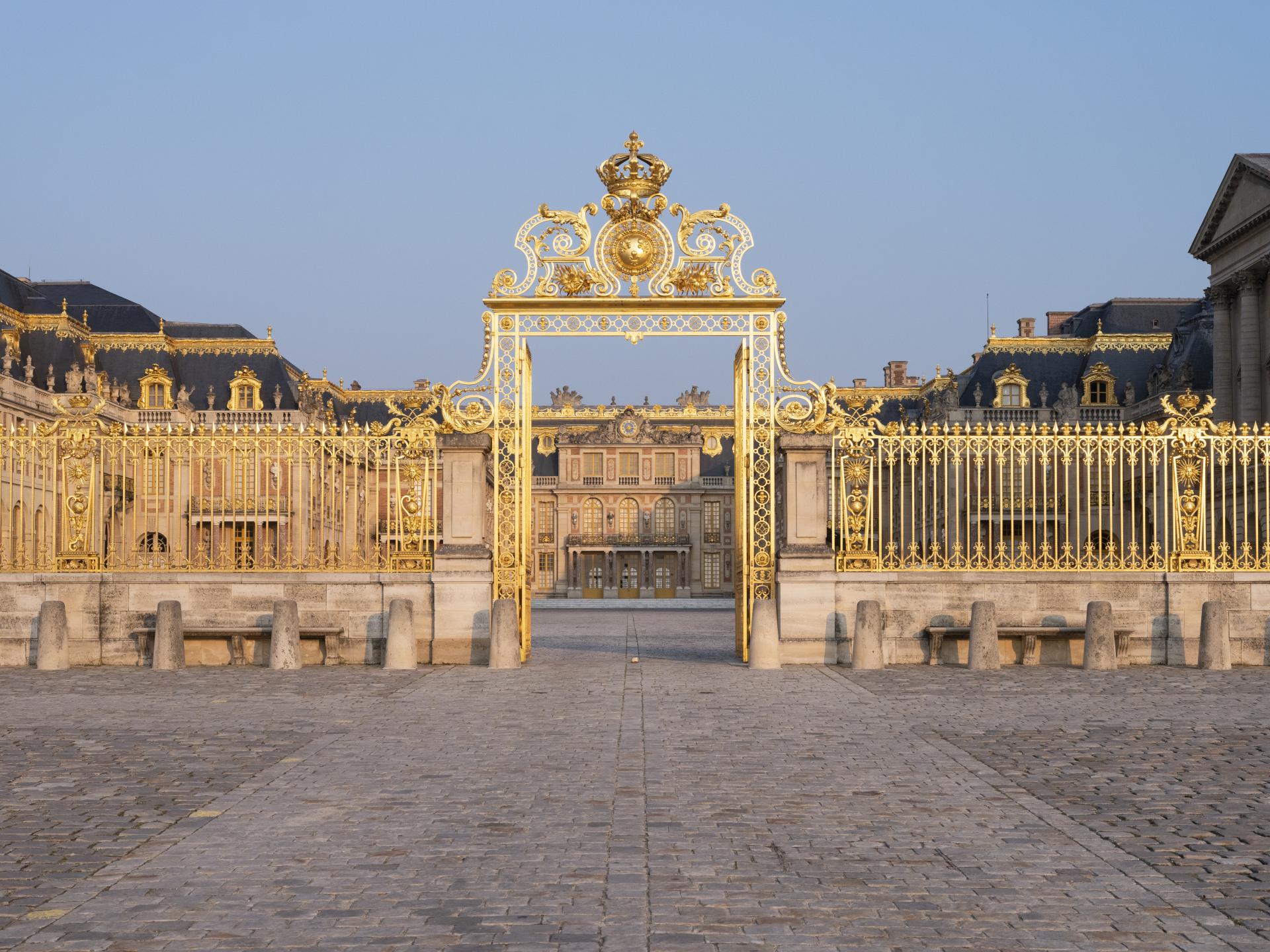
The Eiffel Tower and the Palace of Versailles are two of the most iconic landmarks in France. If you're in Paris and want to visit Versailles from the Eiffel Tower, you have several transportation options to choose from. Each method has its own advantages and disadvantages in terms of time, cost, and convenience.
In this guide, we'll cover all the ways you can travel between these two must-visit destinations, along with travel time, costs, and pros & cons of each option.
1. By Train – The Most Popular and Efficient Option 🚆
Taking the train is the most common, affordable, and reliable way to get from the Eiffel Tower to Versailles.
Route: RER C Train
Departure: The closest RER C station to the Eiffel Tower is Champ de Mars – Tour Eiffel.
Arrival: The train stops at Versailles Château-Rive Gauche, which is a 10-minute walk to the palace.
Duration: ~35 minutes
Cost: ~€4 one-way
Frequency: Every 15–20 minutes
How to Take the Train:
Walk 5 minutes from the Eiffel Tower to Champ de Mars – Tour Eiffel station.
Take the RER C train (direction: Versailles Château-Rive Gauche).
Arrive at Versailles Château-Rive Gauche station.
Walk 10 minutes to the Palace of Versailles.
Advantages:
✅ Fast & cost-effective – This means the train service provides a quick and affordable travel option. Compared to driving, which involves fuel costs, parking fees, and potential traffic delays, trains can save both time and money. Public transportation is often subsidized, making it a budget-friendly choice.
✅ Frequent trains (every 15-20 minutes) – This ensures minimal waiting time for passengers. Instead of long gaps between trains, you have the convenience of frequent departures, making your journey more flexible and reducing the stress of missing a train.
✅ Direct connection with no transfers – A direct route means you don’t have to switch trains, reducing travel time and the hassle of navigating different platforms or stations. This is especially beneficial for travelers with luggage or those unfamiliar with the transit system.
✅ Eco-friendly – Trains produce fewer carbon emissions per passenger compared to cars or airplanes. By using a shared transport system, they help reduce traffic congestion and lower environmental pollution, making them a greener alternative for travel.
disadvantage:
❌ Can be crowded during peak hours (8–10 AM & 5–7 PM) – During rush hours, many people commute to and from work, leading to packed trains. This can make the journey less comfortable, with limited space to stand or sit. It may also cause delays in boarding or exiting the train.
❌ Navigating the train system might be tricky for first-time visitors – If you're unfamiliar with the train network, figuring out routes, ticketing systems, and platform changes can be confusing. Large stations may have multiple lines and exits, making it overwhelming for newcomers.
❌ Limited seating during rush hour – Due to high passenger volume during peak times, seats fill up quickly. You might have to stand for the duration of your journey, which can be tiring, especially for long rides or if you're carrying luggage.
2. By Bus – A Budget-Friendly Alternative 🚌
Taking a bus is an alternative if you prefer a cheaper, above-ground option, though it is slower.
Route: Bus 72 + Bus 171
Walk 5 minutes to the Pont d’Iéna bus stop near the Eiffel Tower.
Take Bus 72 (direction: Parc de Saint-Cloud) to Pont de Sèvres (~30 minutes).
At Pont de Sèvres, take Bus 171 (direction: Versailles) (~40 minutes).
Arrive at Versailles Place d’Armes, right in front of the palace.
Total Duration: ~80–90 minutes
Cost: ~€2.10 one-way (if using a public transport card)
Frequency: Every 10–20 minutes
✅ Cheaper than a taxi – Public transportation, such as buses or shared shuttles, typically costs much less than taking a taxi. Taxis in Paris can be quite expensive, especially for long distances, and prices can increase with traffic or late-night fares. Choosing a more affordable option helps save money while still reaching your destination.
✅ Good option if you prefer not to take the train – Some people may not feel comfortable using the train due to crowds, navigation difficulties, or accessibility concerns. Buses or other transport alternatives provide a more relaxed and sometimes more direct travel experience without the hassle of train transfers or busy stations.
✅ Enjoy scenic views of Paris and the suburbs – Unlike underground trains (like the metro), traveling by bus, tram, or even some above-ground trains allows you to see the beautiful streets of Paris and its surrounding areas. You can admire famous landmarks, charming neighborhoods, and the local atmosphere while on your journey.
❌ Much slower than the train (~90 minutes total) – Compared to the train, which is typically faster and more direct, other transport options like buses or shuttles take longer. This is because they make multiple stops, have lower speed limits, and may follow indirect routes. If you're on a tight schedule, this can be a significant drawback.
❌ Possible traffic delays – Unlike trains, which run on dedicated tracks, buses and taxis have to deal with road traffic. During rush hours or in busy areas, congestion can cause unpredictable delays, making your travel time even longer than expected.
❌ Transfers required, making it less convenient – Unlike a direct train ride, using alternative transportation may require multiple transfers between buses, trams, or metro lines. This adds to travel time, increases the hassle of carrying luggage, and can be confusing for first-time visitors.
3. By Taxi or Uber – The Most Comfortable Option 🚖
Taking a taxi or an Uber is the most convenient option if you prefer a direct and comfortable ride.
Route:
Departure: You can hail a taxi near the Eiffel Tower or use Uber/Bolt.
Arrival: The car will drop you directly at Versailles Palace.
Duration: ~30–40 minutes (depends on traffic)
Cost:
Taxi: ~€50–€70
Uber: ~€35–€60
Advantages:
✅ Direct & hassle-free – Unlike public transport, a taxi or Uber takes you straight to your destination without the need to navigate complex routes, schedules, or transfers. This makes it a stress-free option, especially for travelers unfamiliar with the area.
✅ Comfortable & private – You get a personal space to relax, adjust the temperature, and avoid crowded public transport. It’s ideal if you’re carrying luggage, want a quiet ride, or need a more relaxing travel experience.
✅ No transfers or walking required – Unlike buses or trains, which may require walking between stops or making transfers, a taxi or Uber picks you up from your location and drops you off exactly where you need to go. This is especially beneficial if you have mobility issues or heavy luggage.
✅ Good option for families or groups – Splitting the cost of a taxi or Uber among multiple passengers makes it more economical. It’s also easier to manage kids, strollers, or luggage when traveling together in a private vehicle.
Disadvantages:
❌ Most expensive option – Compared to trains and buses, taxis and ride-sharing services are significantly more costly. Fares can increase due to distance, surge pricing, or late-night rates, making it an expensive choice for solo travelers.
❌ Traffic can cause delays – Unlike trains, which run on fixed tracks and schedules, taxis and Ubers are affected by road traffic. Heavy congestion, especially during rush hours, can lead to longer travel times and higher fares if using a metered taxi.
❌ Not the most environmentally friendly choice – Private car rides produce more carbon emissions per person compared to public transport. If sustainability is a concern, taking a train or bus is a greener alternative.
4. By Bike – A Scenic & Adventurous Choice 🚴
For adventure seekers, cycling from Eiffel Tower to Versailles is an exciting and scenic option.
Route:
Follow the Seine River towards Boulogne-Billancourt.
Enter Forêt de Fausses-Reposes, a beautiful forested area.
Continue to Versailles Palace.
Distance: ~18 km (~11 miles)
Duration: ~90–120 minutes
Cost:
Rent a bike: ~€15–€25/day (from bike rental shops in Paris)
Advantages:
✅ Enjoy Paris’ scenic routes ✅ Eco-friendly & great exercise ✅ Avoid traffic & public transport hassles
Disadvantages:
❌ Physically demanding ❌ Weather-dependent ❌ Navigating Paris traffic can be tricky
5. By Car – A Flexible but Costly Option 🚗
If you rent a car or drive yourself, you can reach Versailles in about 30–45 minutes.
Route:
Take A13 (Autoroute de Normandie) west towards Versailles.
Exit at Versailles Centre.
Park at Place d’Armes parking lot, near the palace.
Duration: ~30–45 minutes
Cost:
Rental car price: ~€50–€100/day
Gas & tolls: ~€10–€20
Parking: ~€10–€15 for a few hours
Advantages:
✅ Flexibility to stop anywhere
✅ Great for groups or families
✅ Comfortable journey
Disadvantages:
❌ Parking can be difficult near Versailles
❌ Traffic congestion possible
❌ Higher cost compared to public transport
6. By Private Tour – A Luxury Experience 🎩
For a luxury, stress-free experience, you can book a private tour with hotel pickup.
Duration: ~30–45 minutes (depends on traffic)
Cost:
Group tours: €80–€150 per person
Private car tours: €150–€300 per car
Advantages:
Advantages:
✅ Hassle-free, direct transport – A private tour includes door-to-door service, meaning you won’t have to worry about navigating public transport, carrying luggage, or making transfers. The driver picks you up from your hotel and takes you directly to your destination.
✅ Includes guided experience & skip-the-line access – Many private tours come with a professional guide who provides insights about the city’s history, culture, and landmarks. Additionally, some tours include priority or skip-the-line tickets for attractions, saving time and enhancing your experience.
✅ Great for first-time visitors – If you’re new to Paris, a private tour offers a stress-free way to explore without worrying about logistics. The guide can give local tips, recommend the best spots, and ensure you get the most out of your visit.
Disadvantages:
❌ Expensive
❌ Less flexibility
Conclusion: Best Way to Get from Eiffel Tower to Versailles
| Transport Option | Duration | Cost (One-Way) | Best For |
|---|---|---|---|
| RER C Train | ~35 min | €4 | Best overall (affordable & fast) |
| Bus 72 + 171 | ~80–90 min | €2.10 | Budget travelers |
| Taxi/Uber | ~30–40 min | €35–€70 | Comfort & direct access |
| Bike | ~90–120 min | €15 | Adventure seekers |
| Car Rental | ~30–45 min | €50–€100 | Flexibility |
| Private Tour | ~30–45 min | €80–€300 | Luxury experience |
Final Recommendation:
For most visitors, the RER C train is the best choice.
If you prefer comfort, Uber or a private tour is better.
Cycling is great for adventure seekers, while driving works best for families.
Now that you know how to get there, which transport method will you choose? Let us know in the comments!
. FAQ – Frequently Asked Questions
1. How long does it take to travel from the Eiffel Tower to Versailles?
By train: ~35 minutes
By bus: ~80–90 minutes
By taxi/Uber: ~30–40 minutes
By bike: ~90–120 minutes
2. What is the cheapest way to get from the Eiffel Tower to Versailles?
The RER C train (~€4 one-way) is the cheapest and most efficient option.
3. Is there a direct train from the Eiffel Tower to Versailles?
Yes, the RER C train runs directly from Champ de Mars – Tour Eiffel to Versailles Château-Rive Gauche.
4. What is the best time to visit Versailles?
Early morning (before 10 AM) or late afternoon (after 3 PM) to avoid crowds.
5. Can I buy train tickets in advance?
Yes, you can purchase RER tickets at metro stations, online, or via mobile apps.
6. Is Versailles wheelchair accessible?
Yes, but some areas have cobblestone paths that can be challenging.
7. Can I take a taxi from the Eiffel Tower to Versailles?
Yes, but it is more expensive (€50–€70) compared to the train.
8. Are there guided tours available?
Yes, you can book private or group tours with transport included.
9. Is cycling from Paris to Versailles safe?
Yes, but it requires good fitness and knowledge of bike paths.
10. What should I bring for a day trip to Versailles?
Comfortable shoes, water, sunscreen, and a camera.


Comments
Post a Comment